
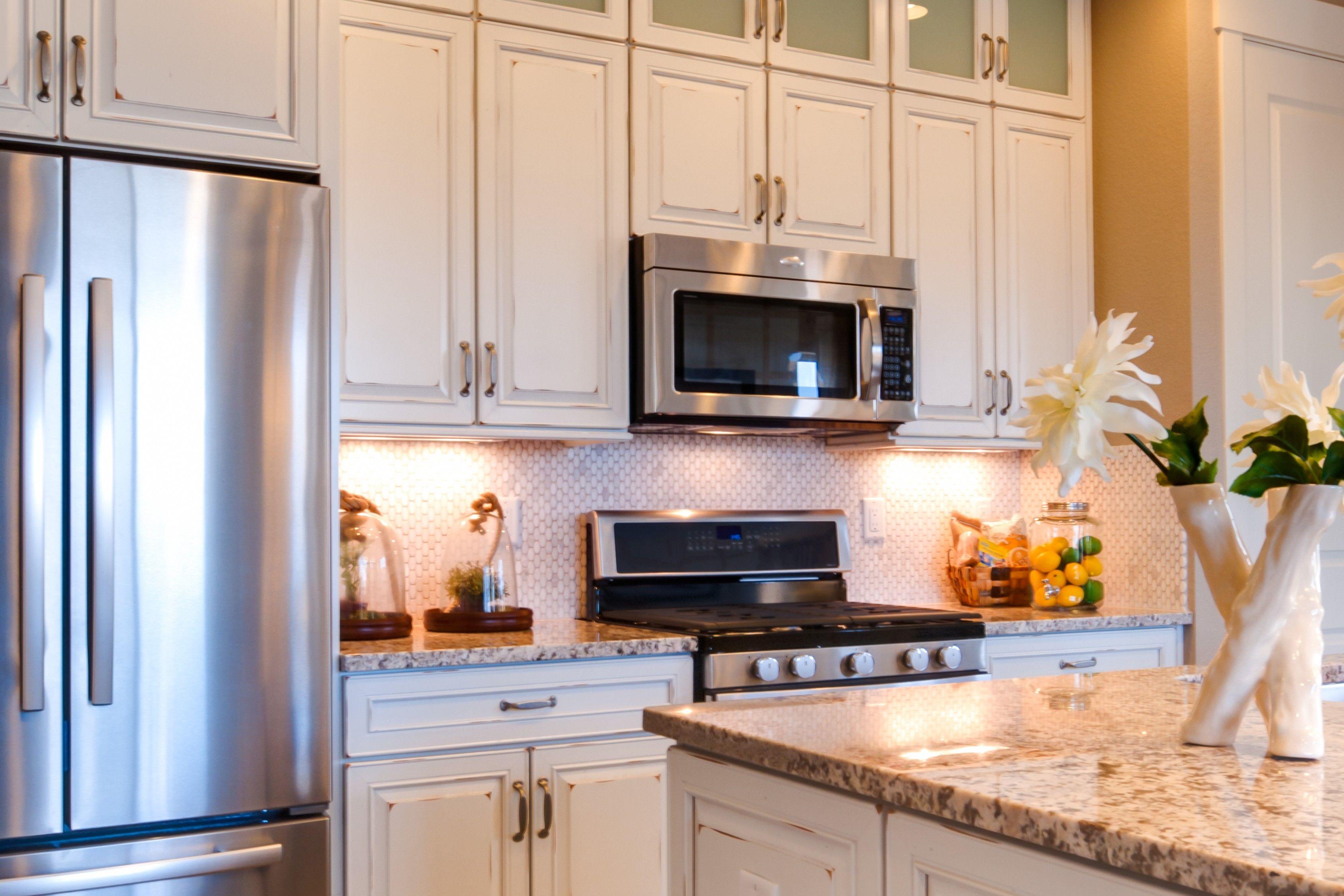
Cabinet Care Tips to Keep Surfaces Clean
October 16, 2026
Kitchen cabinets deal with a surprising amount of wear. Between cooking grease, fingerprints, food splatters, dust, and the occasional spilled drink, it does not take long for cabinet doors to start looking less than their best.
The good news is that keeping your cabinets clean usually does not require expensive specialty products or hours of scrubbing. The most important part is using the right cleaning method for the cabinet material and staying on top of small messes before they become harder-to-remove buildup.
Whether you have wood, laminate, painted, or thermofoil cabinets, a little regular maintenance can help preserve the finish and keep your kitchen looking good for years.
How Often Should You Clean Your Kitchen Cabinets?
You do not need to deep clean your cabinets every week. For most kitchens, a quick wipe-down as part of your normal cleaning routine is enough to prevent grease and grime from accumulating.
After cooking, pay particular attention to the cabinets closest to the stove. Grease can settle on cabinet doors and handles even when you cannot immediately see it. Wiping those areas with a damp microfiber cloth can prevent a layer of sticky buildup from developing.
Every few weeks, it is worth giving the cabinets a more thorough cleaning. Wipe the doors, drawer fronts, handles, cabinet frames, and shelf edges. Do not forget the tops of cabinets and the areas around cooking appliances, where dust and grease tend to collect.
The key is consistency. A few minutes of routine cleaning is much easier than trying to remove months of accumulated grease later.
Start With the Gentlest Cabinet Cleaner
When cleaning cabinets, more aggressive does not necessarily mean better.
For most surfaces, start with warm water and a small amount of mild dish soap. Apply the solution to a soft microfiber cloth rather than soaking the cabinet itself. Wipe the surface gently, then use a clean damp cloth to remove any remaining soap. Finish by drying the cabinet with a clean towel.
This simple approach is inexpensive and works for many common cabinet finishes.
Avoid abrasive scrubbers, steel wool, harsh scouring powders, and strong chemical cleaners unless the cabinet manufacturer specifically recommends them. These products can scratch surfaces, dull finishes, or damage paint and protective coatings.
It is also a good idea to test a new cleaner on a hidden area before using it across an entire cabinet.
How to Clean Wood Cabinets Without Damaging the Finish
Wood cabinets require a little more care because excessive moisture can work its way into the wood or damage the finish.
For everyday cleaning, use a soft cloth dampened with warm water and a mild wood-safe cleaner. Work on one section at a time rather than soaking the entire door. Once you have removed the dirt and grease, wipe away any remaining cleaner and dry the surface thoroughly.
The most important thing is to avoid leaving water sitting on wood cabinets. Pay particular attention to seams, corners, and areas around cabinet hardware where moisture can collect.
For stubborn grease, a mild soap solution can usually do the job with a little patience. Resist the temptation to scrub harder with an abrasive sponge. If the finish is damaged, aggressive cleaning can make the problem worse.
If you are planning a kitchen renovation, choosing a cabinet finish that fits your lifestyle is worth considering from the beginning. Our in-stock cabinet selection includes different styles and finishes that can be compared based on both appearance and everyday maintenance.
Cleaning Laminate Cabinets Is Usually Simple
Laminate cabinets are popular partly because they are relatively easy to maintain. Their smooth surfaces can generally be cleaned with warm water and a few drops of mild dish soap.
Use a microfiber cloth or another soft cleaning cloth, then wipe the surface dry. For grease buildup, a properly diluted gentle cleaner can help loosen the residue without requiring heavy scrubbing.
One thing to avoid is excessive moisture. Do not spray cleaner directly onto cabinet doors or soak the surface. Moisture can work its way into edges and seams, particularly if the cabinet has been damaged.
Avoid bleach, ammonia, abrasive cleaners, and rough scrubbing pads unless the cabinet manufacturer specifically says they are safe for your particular finish.
Painted Cabinets Need a Gentle Touch
Painted cabinets can look great, but the finish can be more sensitive to aggressive cleaning.
For normal dust and fingerprints, start with a damp microfiber cloth. For greasy fingerprints or sticky spots, add a small amount of mild dish soap to warm water.
Work gently rather than repeatedly scrubbing one area. Aggressive cleaning can eventually dull the finish or leave noticeable wear on high-touch areas.
Be particularly careful with abrasive cleaning products and melamine sponges. They can remove more than the stain you are trying to clean, especially on painted surfaces.
Once you finish cleaning, wipe the surface with a clean damp cloth and dry it.
How to Clean Thermofoil Cabinets
Thermofoil cabinets have a smooth, vinyl-like surface that is generally easy to wipe clean. Warm water and mild dish soap are a good starting point for everyday cleaning.
For more stubborn grease, use a mild cleaner and a soft cloth or sponge. Give the cleaner time to loosen the buildup instead of relying on heavy scrubbing.
The biggest concern with thermofoil is damaging or lifting the surface. Avoid abrasive pads, steel wool, harsh solvents, and excessive heat. Steam and high heat around appliances can contribute to bubbling or separation of the thermofoil from the cabinet underneath.
Be especially careful around edges and seams. Cleaners and water should not be allowed to sit in these areas.
Common Cabinet Cleaning Mistakes to Avoid
One of the biggest mistakes is using too much water. Cabinets are not countertops, and soaking them during cleaning can create problems around seams, edges, and joints.
Another is assuming that a powerful cleaner will produce a better result. Strong chemicals and abrasive products can damage a finish that was perfectly capable of handling the original mess with mild soap and water.
It is also easy to forget about the areas you cannot immediately see. The tops of upper cabinets, cabinet edges, drawer tracks, and the space around appliances can accumulate grease and dust over time.
Finally, do not wait until your cabinets look dirty before cleaning them. Regular light cleaning is easier on both you and the cabinet finish.
Keeping Your Cabinets Looking Good Starts With Simple Maintenance
Taking care of your cabinets does not have to become another major household chore. Most of the time, warm water, mild soap, a microfiber cloth, and a few minutes of regular maintenance are enough to keep cabinet surfaces looking clean.
The most important thing is to match your cleaning method to the material. Wood, laminate, painted, and thermofoil cabinets can all respond differently to moisture, chemicals, and abrasive products.
If you are planning a kitchen remodel, cabinet maintenance is also something worth considering before you choose your new cabinets. The finish you select will affect not only how the kitchen looks, but also how easy it is to live with and maintain.
If you are comparing options for an upcoming renovation, you can browse our in-stock cabinets and explore our countertop selection to start putting the pieces of your kitchen together. If you have questions about your project or want to compare options, be sure to contact our team or visit our showroom.
