
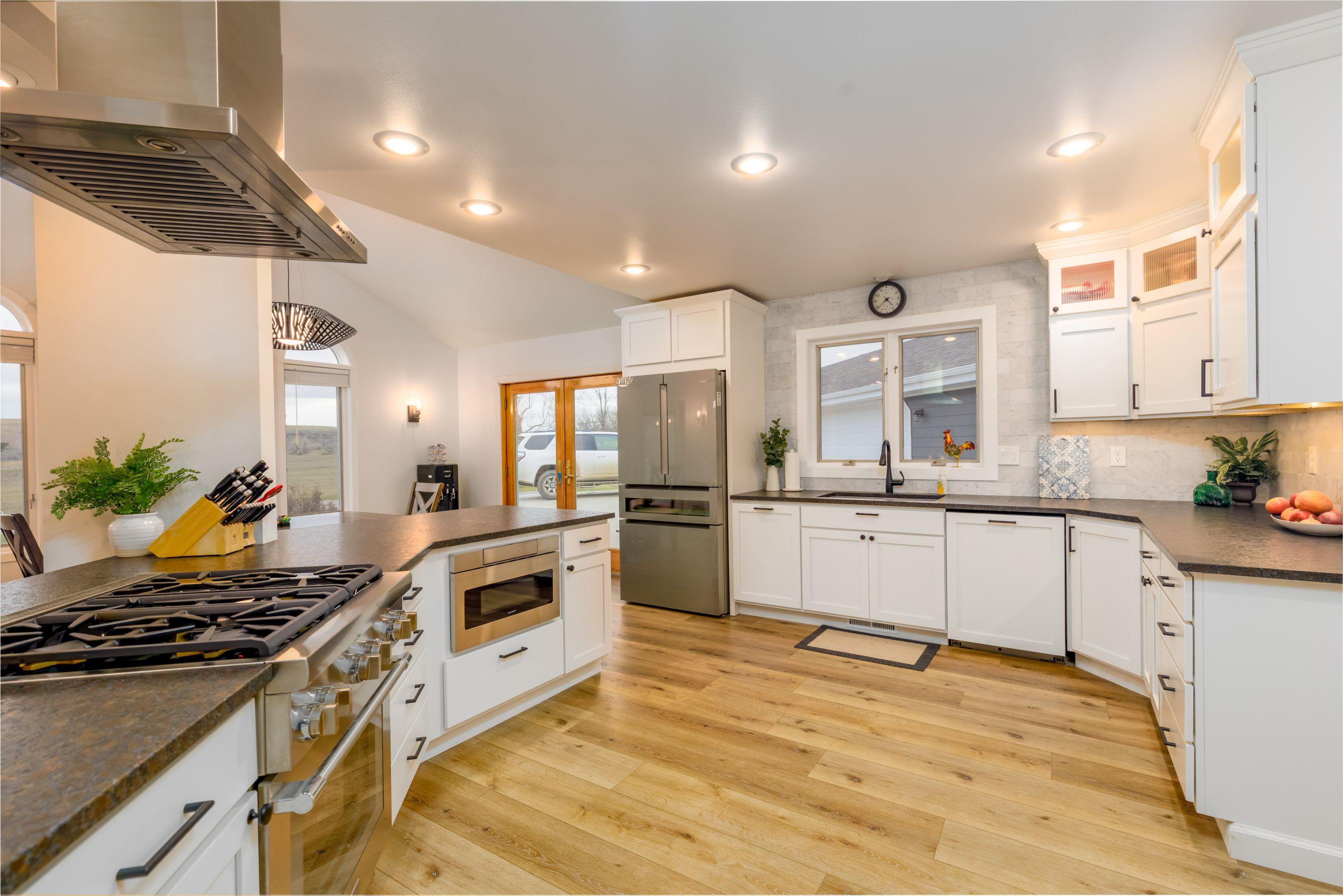
7 Ways to Save Money on Your Kitchen Remodel
May 19, 2026
A kitchen remodel is one of those projects where costs can creep up quickly. You start with a simple idea, and before long you’re comparing finishes, upgrading materials, and adding things you didn’t plan for.
Most homeowners assume the only way to stay on budget is to cut corners. In reality, the better approach is knowing where it’s worth spending and where to pull back. That’s what keeps your kitchen looking good and working well for years without overspending upfront.
At Discount House , we’ve seen a wide range of remodels, from full renovations to simple updates. The ones that turn out best usually follow a similar pattern. They’re thoughtful about where the money goes.
Here are seven of the most practical ways to save without ending up with a kitchen that feels like a compromise.
1. Start With Your Layout Before You Start Spending
One of the biggest cost drivers in a kitchen remodel has nothing to do with materials. It’s the layout.
Moving a sink, stove, or refrigerator might seem like a small change, but it often means rerouting plumbing, electrical, and sometimes even gas lines. That adds labor, time, and complexity.
If your current layout already works reasonably well, keeping it in place can save a significant amount of money. In many cases, homeowners get a completely different look just by updating cabinets, countertops, and flooring without moving anything major.
It’s worth asking yourself: does changing the layout actually improve how you use the kitchen, or does it just look different on paper?
If you are in a scenario where you are starting from scratch and tight on space, check out our blog
6 Kitchen Layout Ideas to Maximize Cabinets and Space.
2. Cabinets Set the Budget, So Choose Them Carefully
Cabinets are usually the largest portion of a kitchen remodel budget, so this is where your decisions matter most.
A lot of people assume they need custom cabinets to get a good result. In practice, many homeowners are surprised by how far stock and ready-to-assemble options have come. You can still get clean lines, modern finishes, and solid construction without paying for full customization.
The key thing to focus on is not just how the cabinets look, but how they’re built. A well-constructed cabinet will hold up over time, while cheaper construction can lead to issues that cost more to fix later.
3. You Don’t Have to Use One Countertop Everywhere
One of the easiest ways to control costs is something most homeowners don’t think about right away.
You don’t need to use the same countertop material across your entire kitchen.
In high-use areas, something like quartz or granite can make sense because of durability. In lower-use areas, a more budget-friendly option can work just fine.
For example, you might use a more durable surface where you prep food every day, and something simpler on a side counter or island. Visually, it works and can add contrast to your design, and financially it can make a noticeable difference.
4. Focus on What You Can’t Easily Change Later
When you’re trying to save money, it’s tempting to choose the cheapest option across the board. That usually backfires.
A better approach is to invest in the things that are harder to replace later.
Cabinet structure, for example, matters more than the finish. Flooring needs to hold up to daily wear. Countertops in high-use areas should be durable enough to handle regular use.
On the other hand, things like cabinet hardware or lighting can always be upgraded later without much effort or cost.
If you prioritize correctly, you avoid having to redo major parts of the kitchen a few years down the line.
5. Flooring Is About Durability, Not Just Looks
Flooring is one of those areas where homeowners often overspend or underspend.
Hardwood looks great, but it’s not always the most practical choice for kitchens. On the other hand, going too cheap can lead to wear and damage pretty quickly.
Materials like luxury vinyl plank have become popular because they strike a balance. They’re durable, more resistant to moisture, and generally more affordable than hardwood.
If you’re comparing options for your space, check out our blog comparing
vinyl and hardwood floors.
6. Small Updates Can Make a Bigger Difference Than You Expect
Not every kitchen remodel needs to be a full overhaul.
In some cases, updating smaller elements can change the feel of the space without the cost of replacing everything.
Things like new cabinet hardware, updated fixtures, repainting the walls or even a different backsplash can make the kitchen feel more modern without touching the major components.
This approach works especially well if your cabinets are still in good condition structurally.
7. Plan the Project Before You Start Buying
One of the most common ways budgets get blown is through last-minute decisions.
Changing materials mid-project, upgrading finishes on the fly, or adjusting the scope can all add up quickly.
Having a clear plan before you start helps you stay focused and avoid those incremental costs that don’t seem like much individually but add up over time.
Focus on Value First, and the Savings Will Follow
At the end of the day, saving money on a kitchen remodel isn’t about choosing the cheapest option. It’s about getting the most value for what you spend.
This usually comes down to making a few smart decisions early, like keeping your layout when it works, investing in durability where it matters, and simplifying areas that don’t need as much attention.
When you focus on how you actually use your kitchen and choose materials that support that, you end up with a space that looks good, functions well, and holds up over time without stretching your budget unnecessarily.
If you’re in the middle of planning and want to compare options, our team at Discount House keeps a wide range of cabinets , countertops , and flooring in stock so you can see what fits your space and your budget. And if you ever have any questions, feel free to reach out and our team will be happy to help.
